
Saponaria lutea
- PNGP
- Endemism
A species endemic to the Graian and Pennine Alps, within the Gran Paradiso National Park it is found only in the Cogne Valley, on the Aosta Valley side, and in the Soana Valley, on the Piedmont side. Listed on the IUCN Red List of Italian flora, and therefore of conservation interest, it is strictly protected in Piedmont.
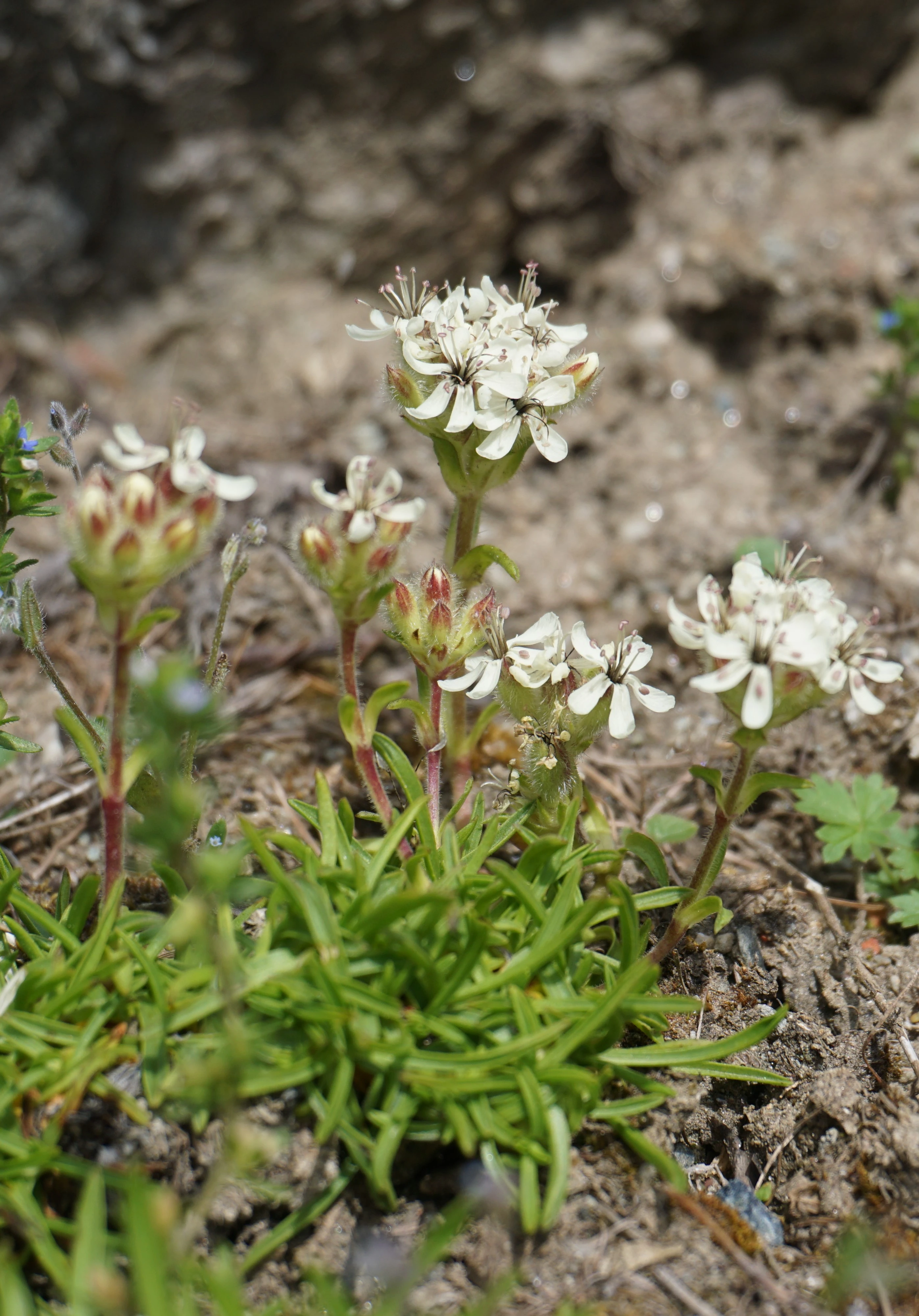
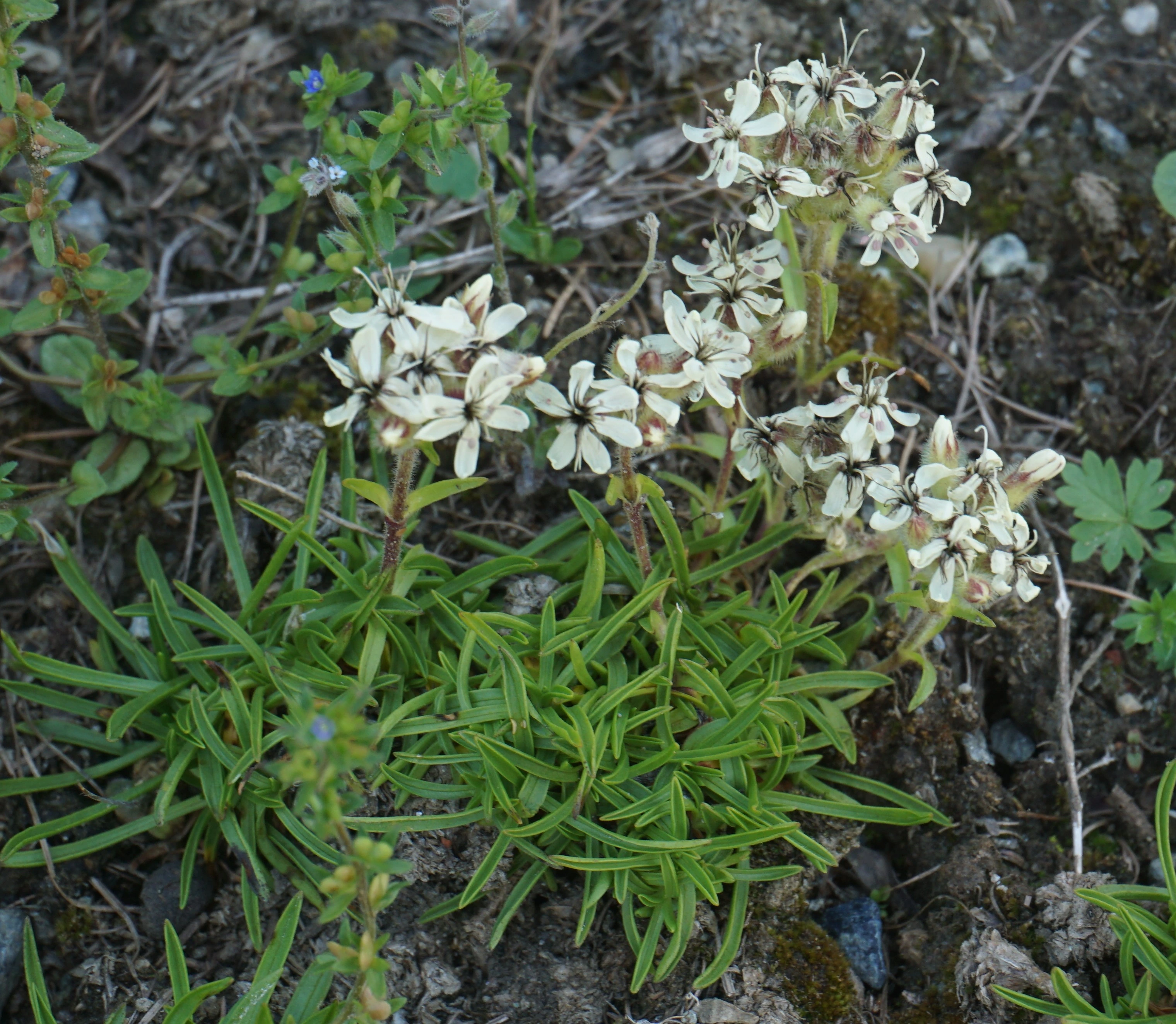
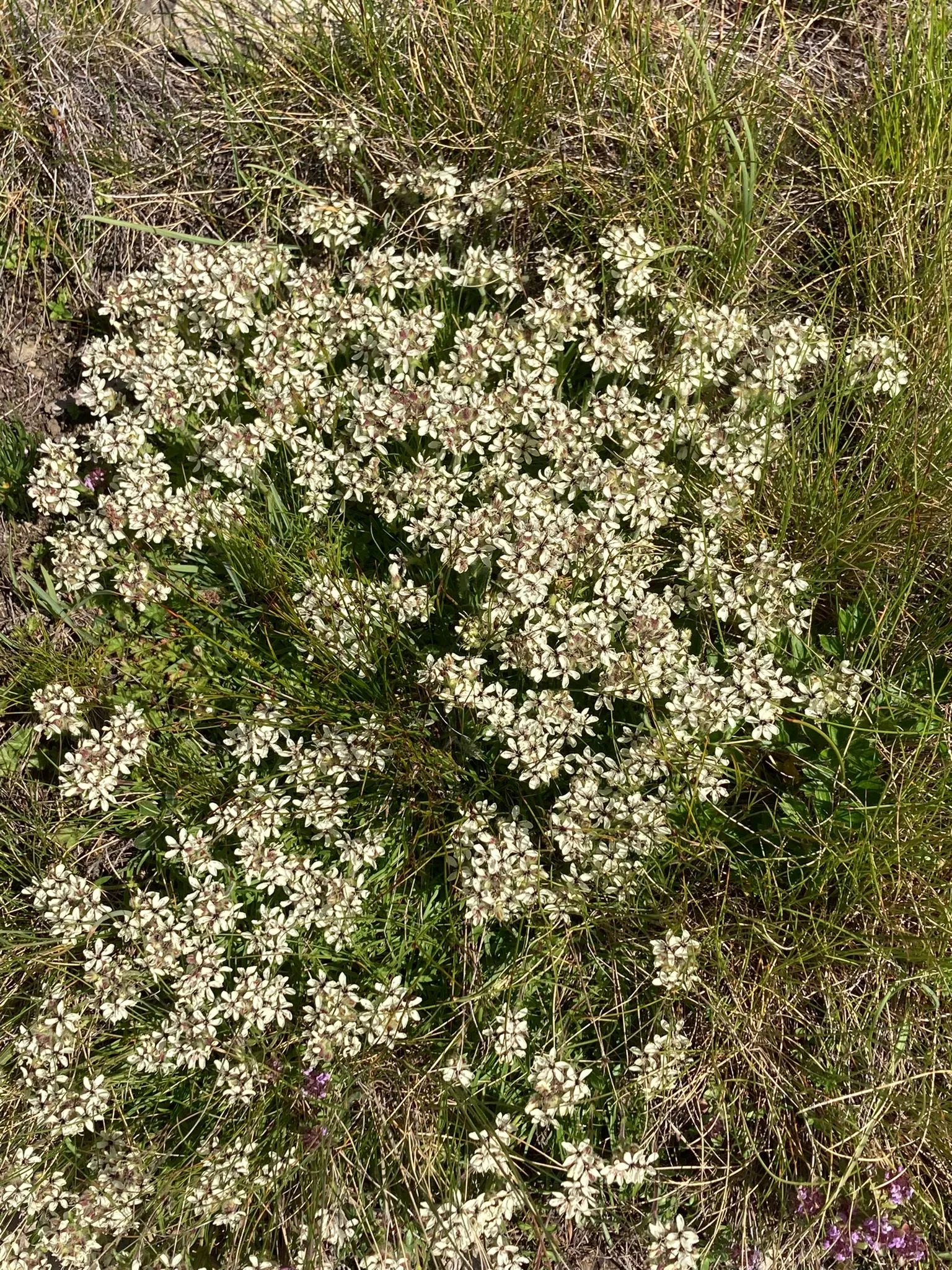
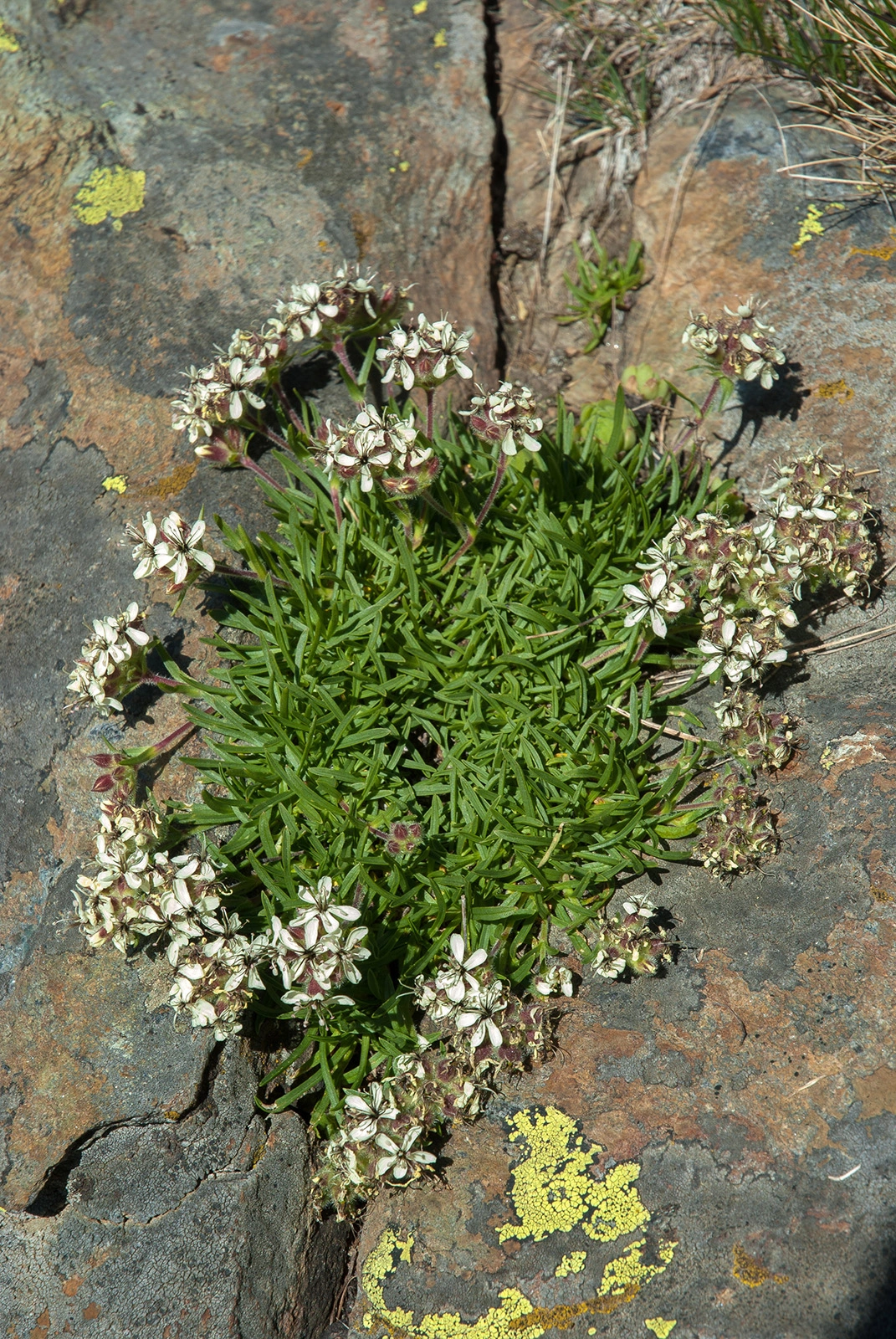
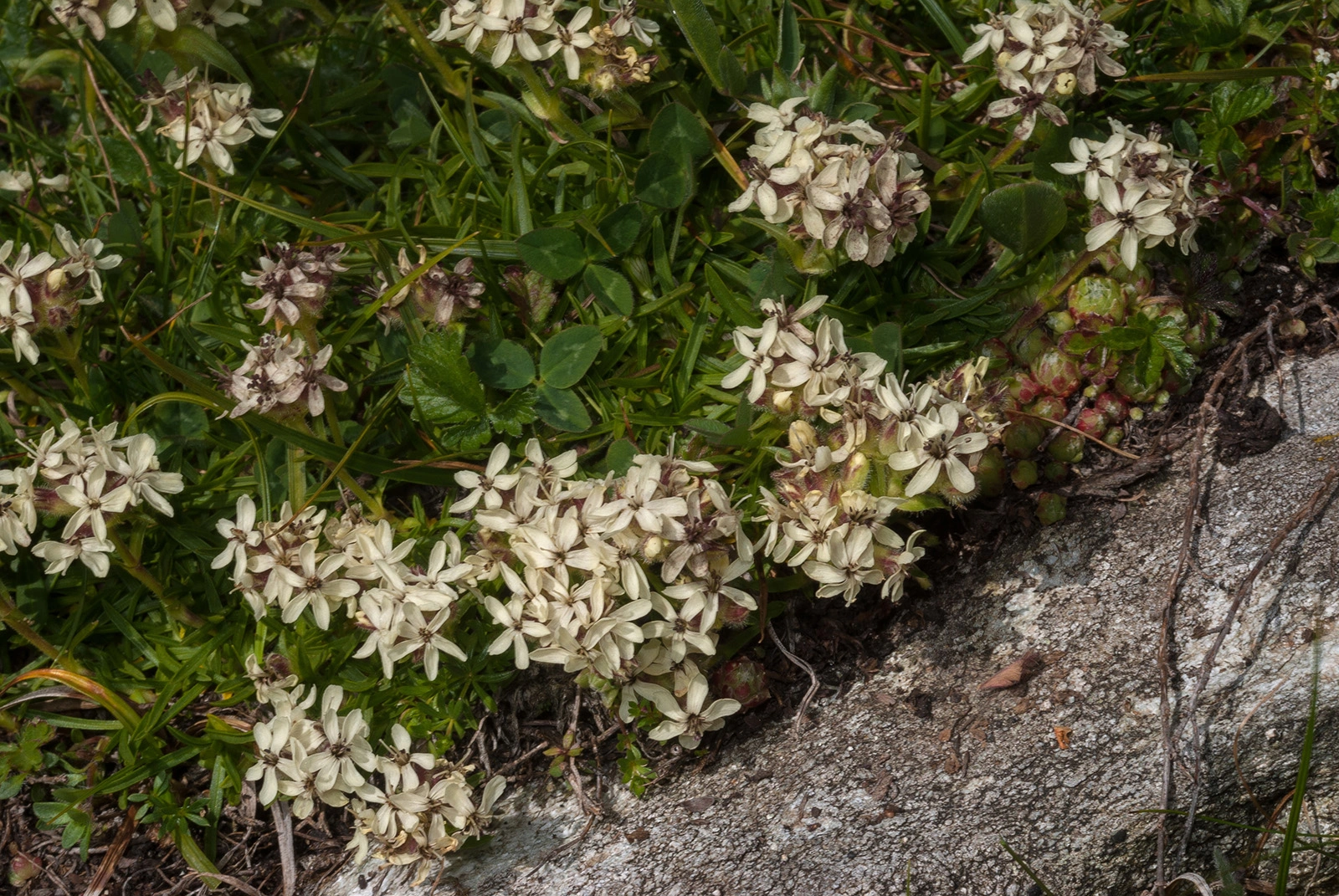
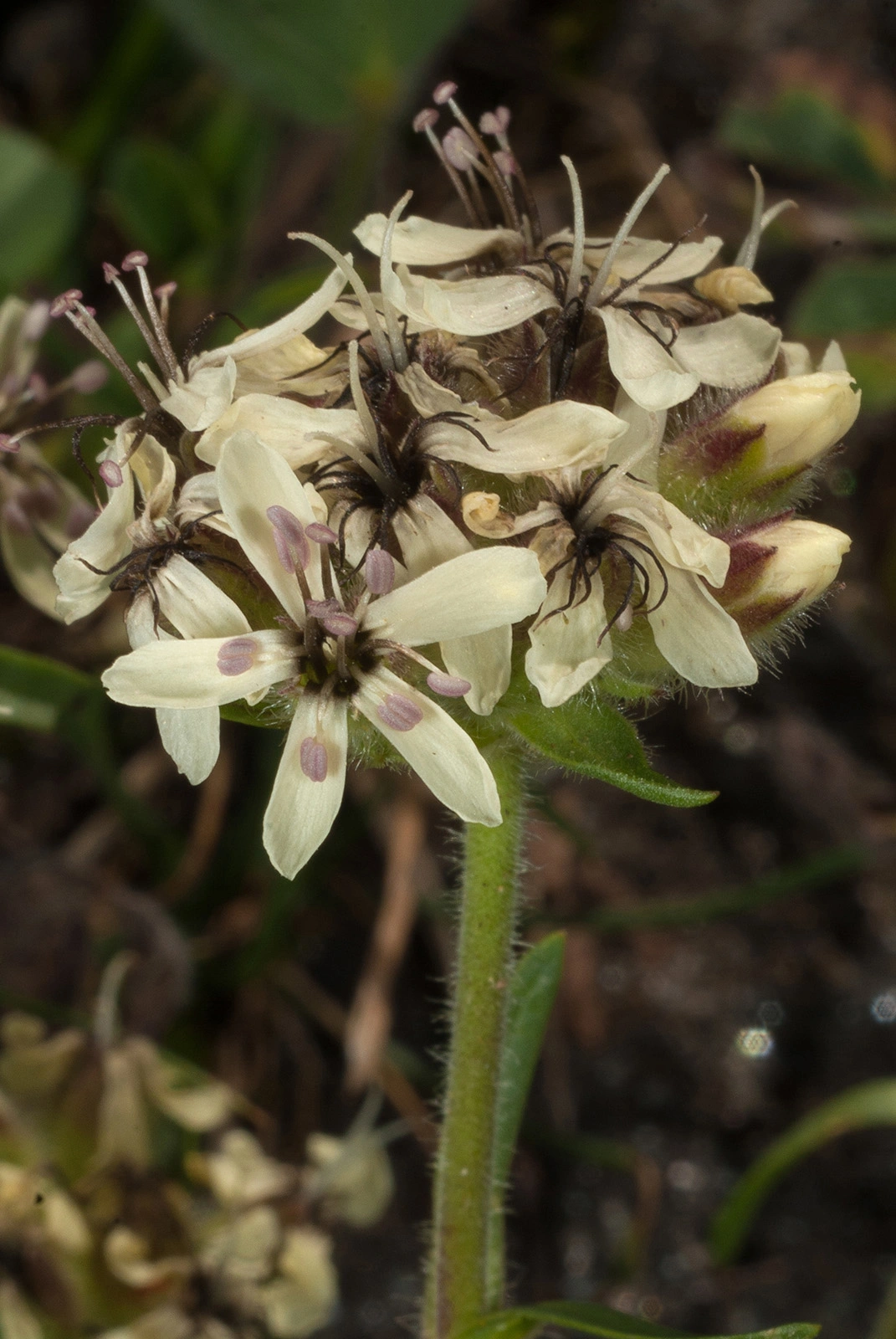
Saponaria lutea is found in stony and rocky pastures, on calcareous substrates, at altitudes ranging from 1,800 to 2,800 metres. It forms dense, cushion-like clumps from which erect flowering stems emerge, bearing globular inflorescences composed of numerous yellow flowers. This characteristic distinguishes it from Saponaria ocymoides and Saponaria officinalis, both of which are found in the same areas but have pink flowers.
The specific name lutea refers precisely to the yellow colour of the flowers, and derives from the Latin ‘luteum’, which in turn is derived from ‘lutum’, a plant from which the colour yellow is obtained and which we now know as Reseda luteola.