
Daphne mezereum
 See on the map
Listen to audio
See on the map
Listen to audio
- PNGP
- Officinal
- Poisonous
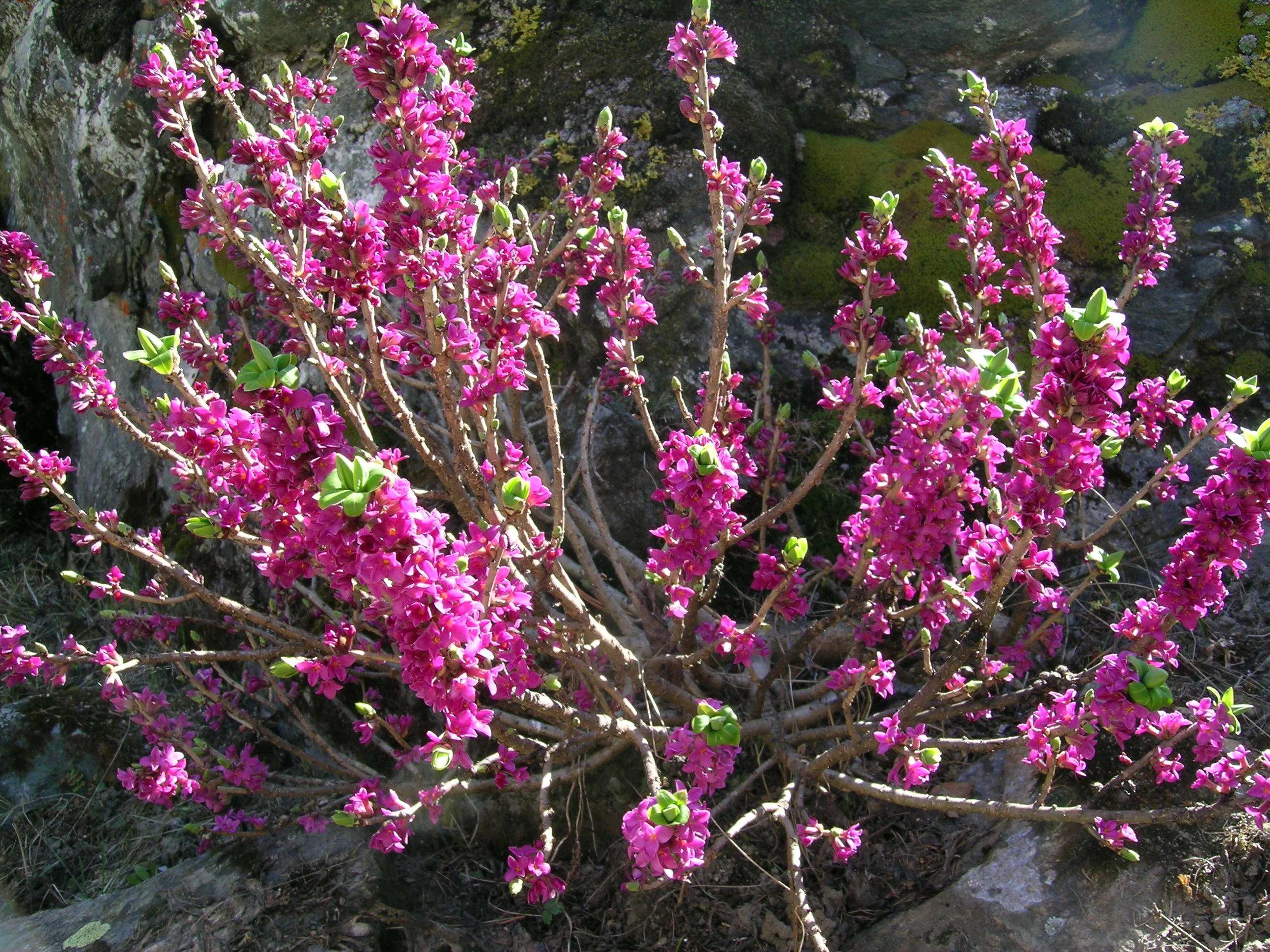
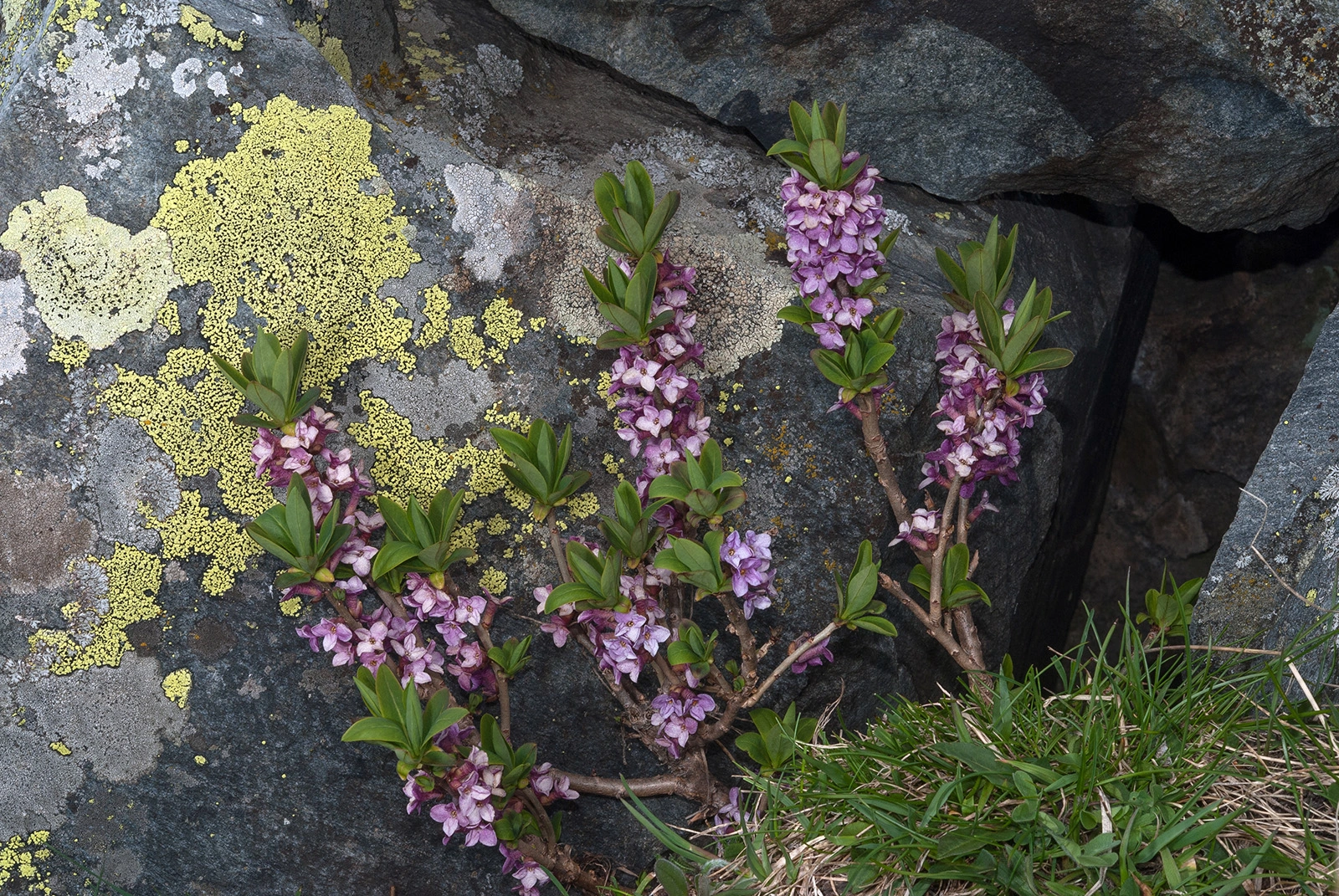
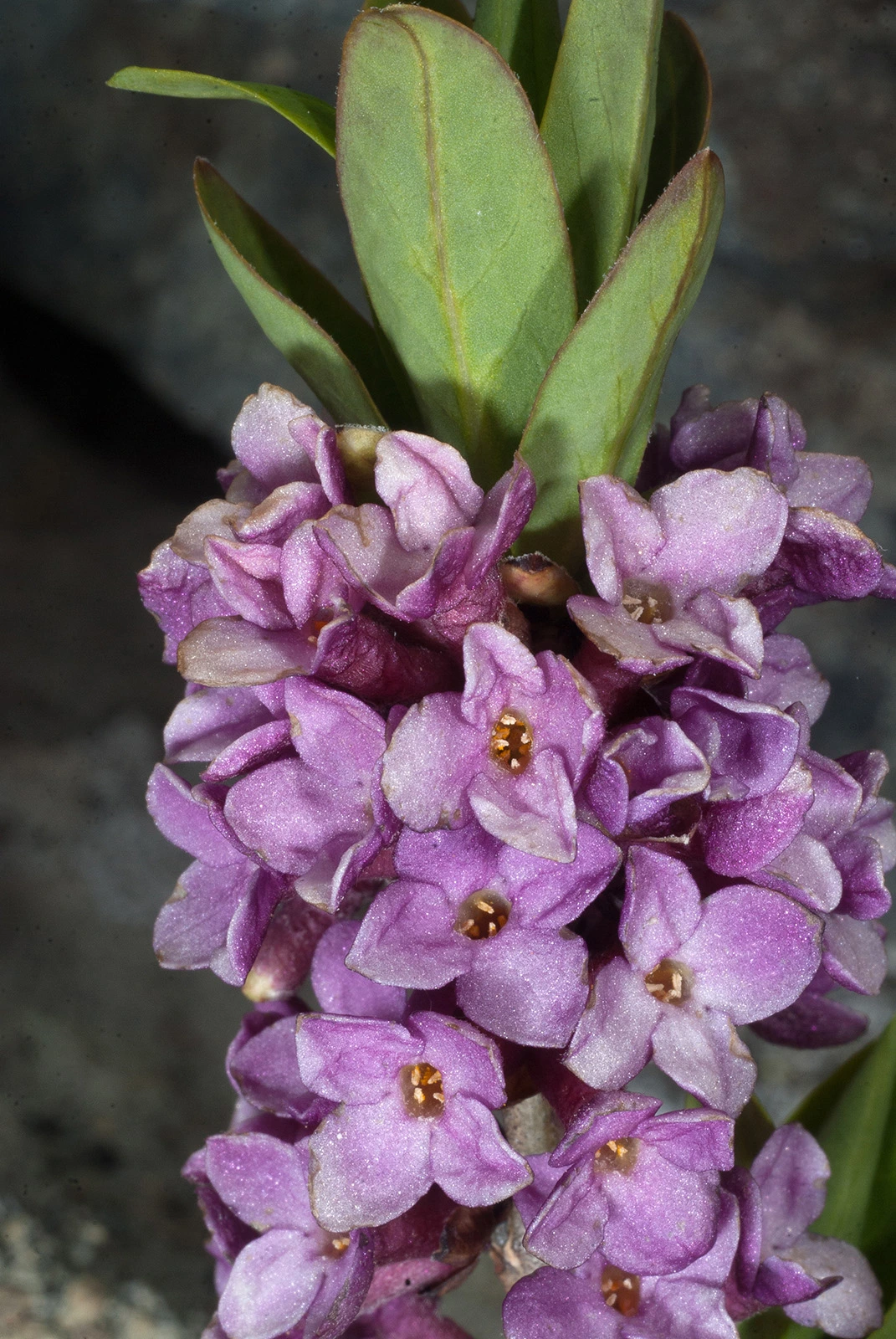
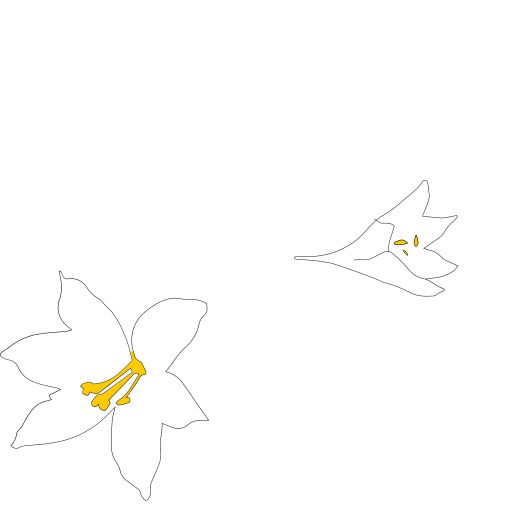
Widespread throughout the Alps and also across the rest of the peninsula, with the exception of the islands and Puglia, it is found in sparse woodland, as well as in scrubland and stony pastures, from hilly terrain up to altitudes of over 2,600 metres. This shrub is easily recognised in spring, as its woody branches are covered with countless fragrant, bright pink flowers. Hence its common name in italian, ‘Fior di stecco’, that is "stick's flower".
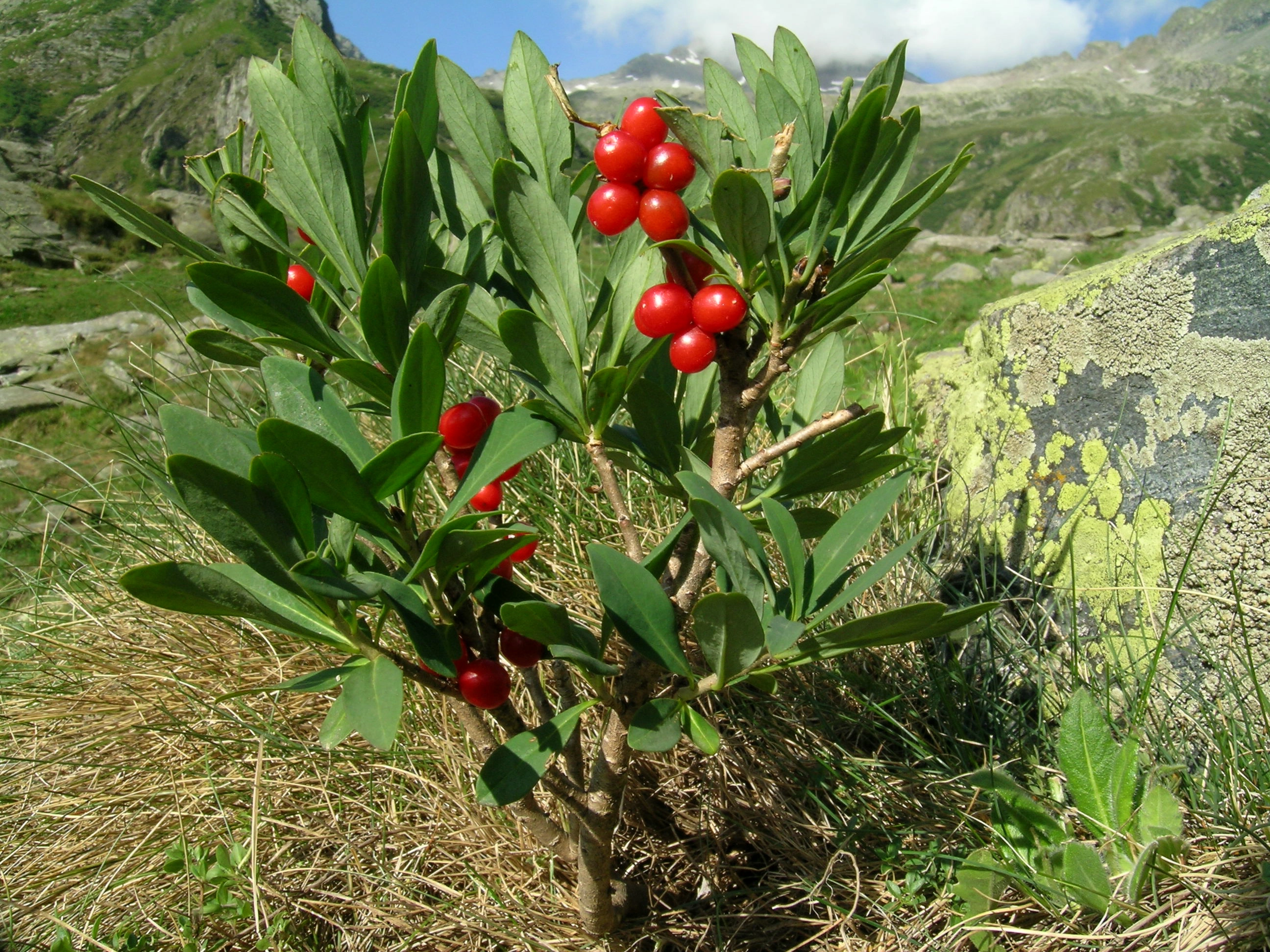
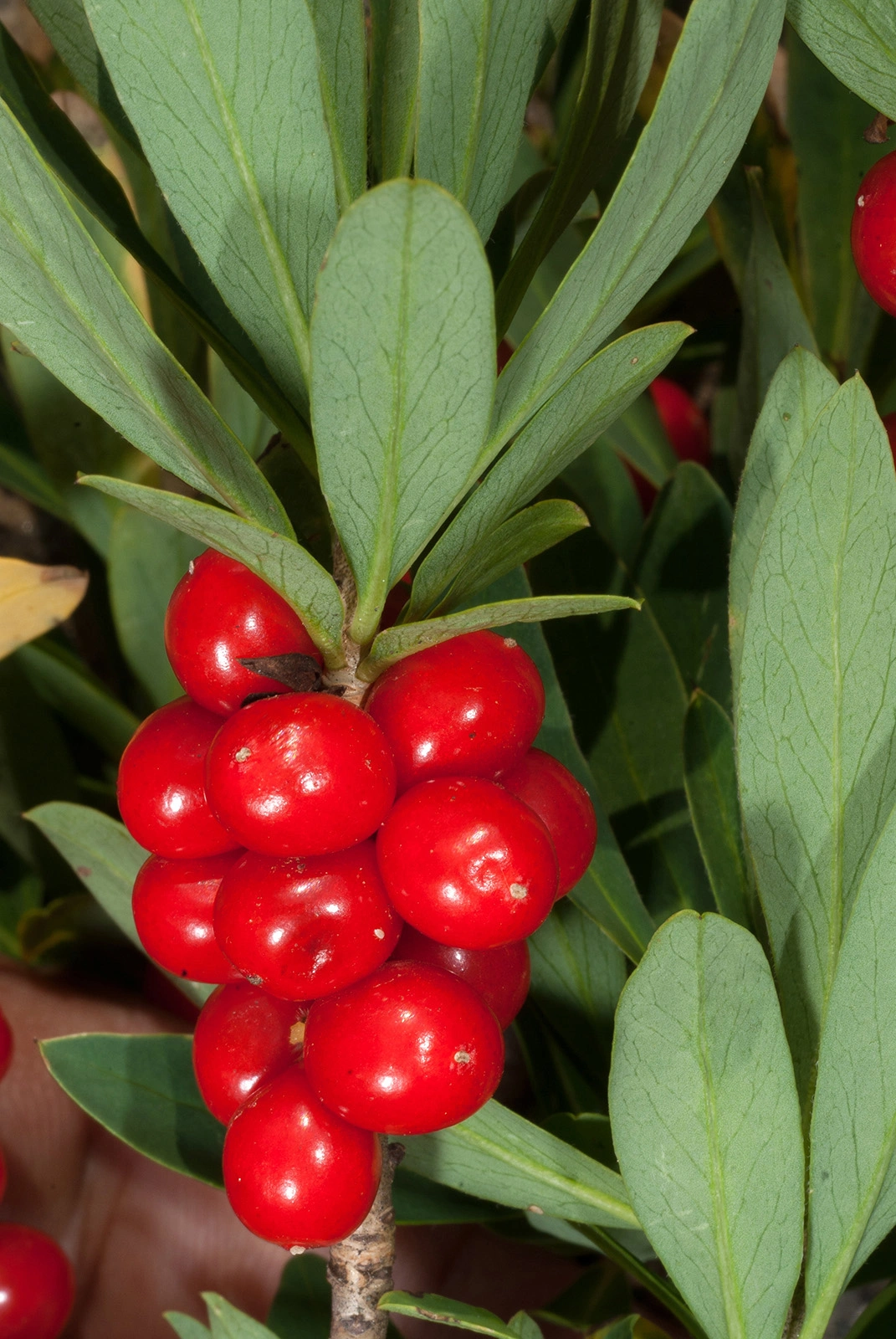
It is a small shrub with rough branches bearing greyish-pink bark, which are covered in flowers in spring; the leaves, which appear after flowering, are lanceolate and clustered in apical tufts at the tips of the branches. The fruits are spherical, glossy red drupes, situated beneath the tufts of leaves. The entire plant is poisonous; in particular, ingesting the fruits can be fatal.
The plant’s specific name appears to derive from the Arabic ‘mazerium’ (to kill), referring to its high toxicity. Nevertheless, it is used medicinally for its anti-rheumatic, anti-arthritic and anti-neuralgic properties.