
Plant species
Listen to audio
Carduus nutans subsp. platylepis
- PNGP
- Endemism
Carduus nutans subsp. platylepis
(Rchb. & Saut.)
Large-bracted thistle
Arid and low altitude meadows
June - August
Hilly, Mountain
Carduus nutans is a species with several subspecies; as many as nine have been recorded in Italy. The subspecies under consideration here, Carduus nutans subsp. platylepis, is endemic to the Alps and is known to occur only in the Aosta Valley, Lombardy and Trentino-Alto Adige. It shares many characteristics with the other subspecies, making it not particularly easy to identify.
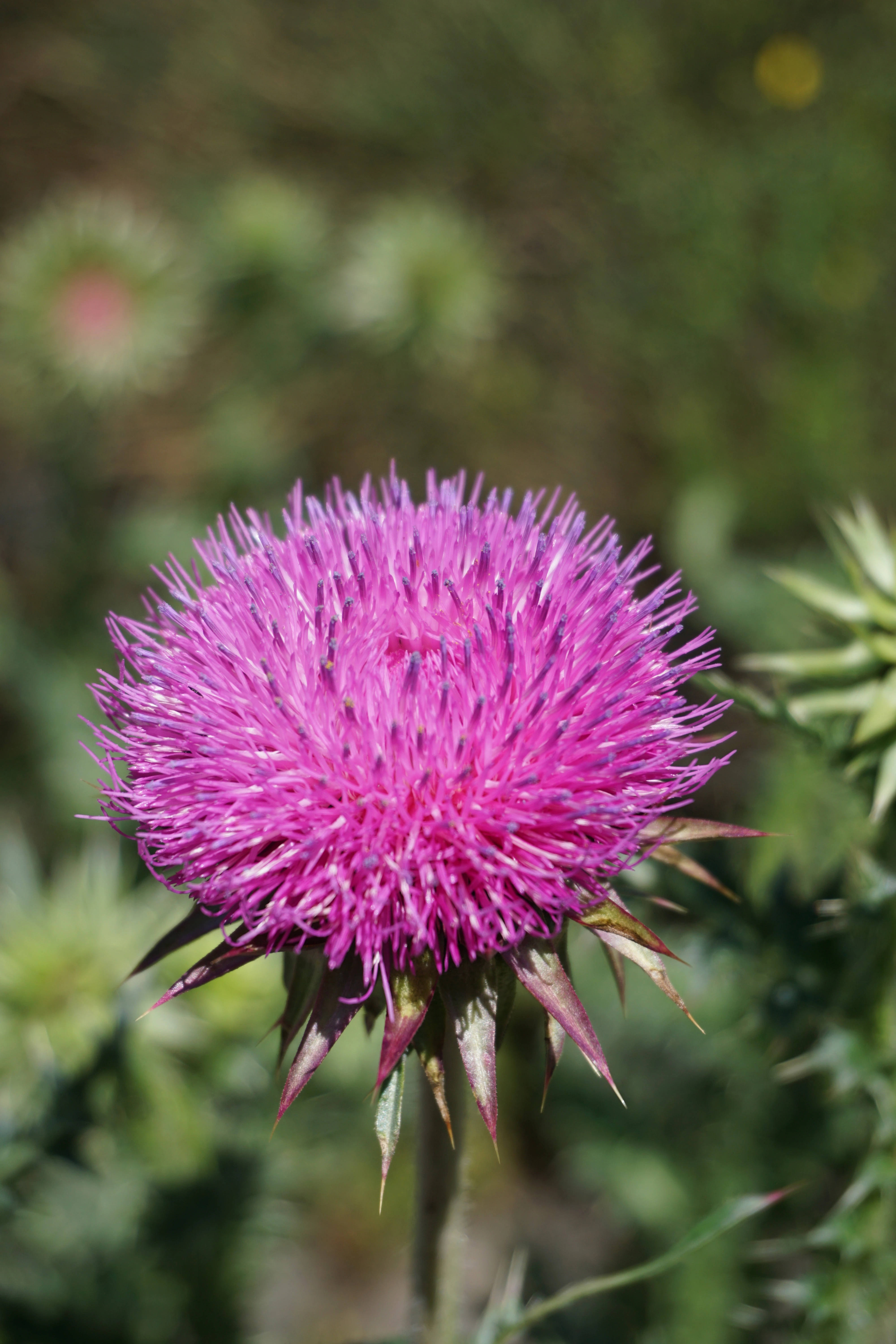
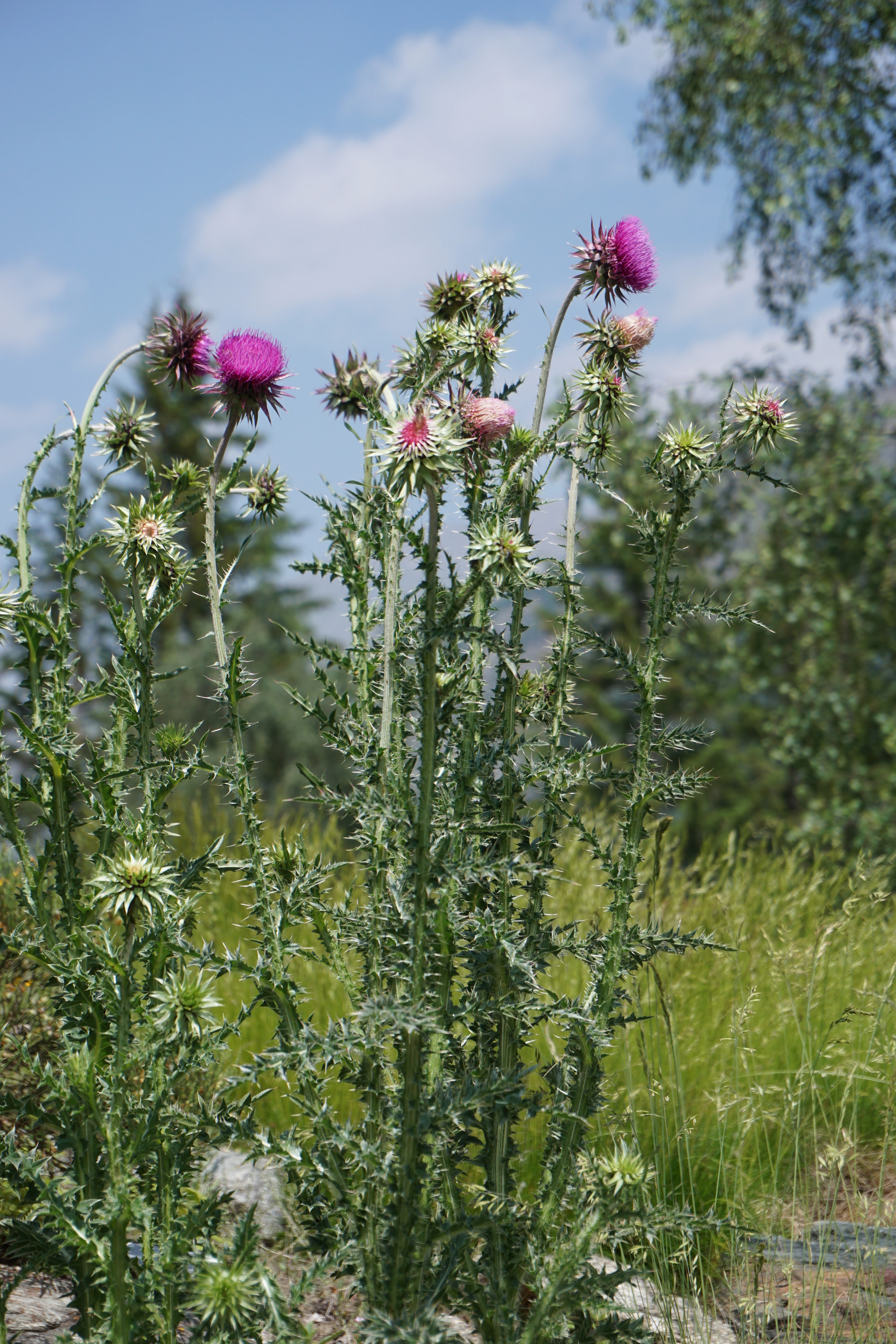
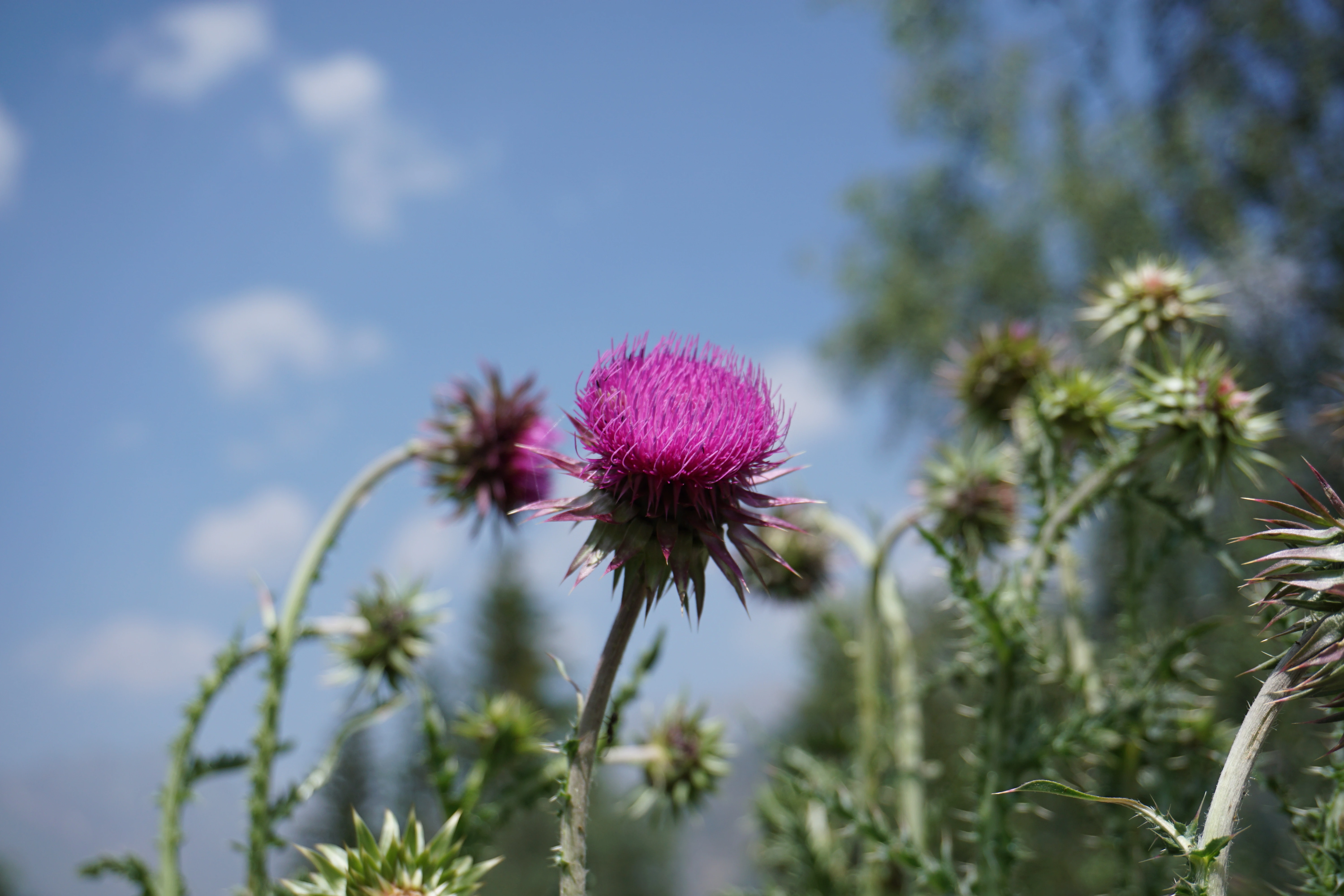
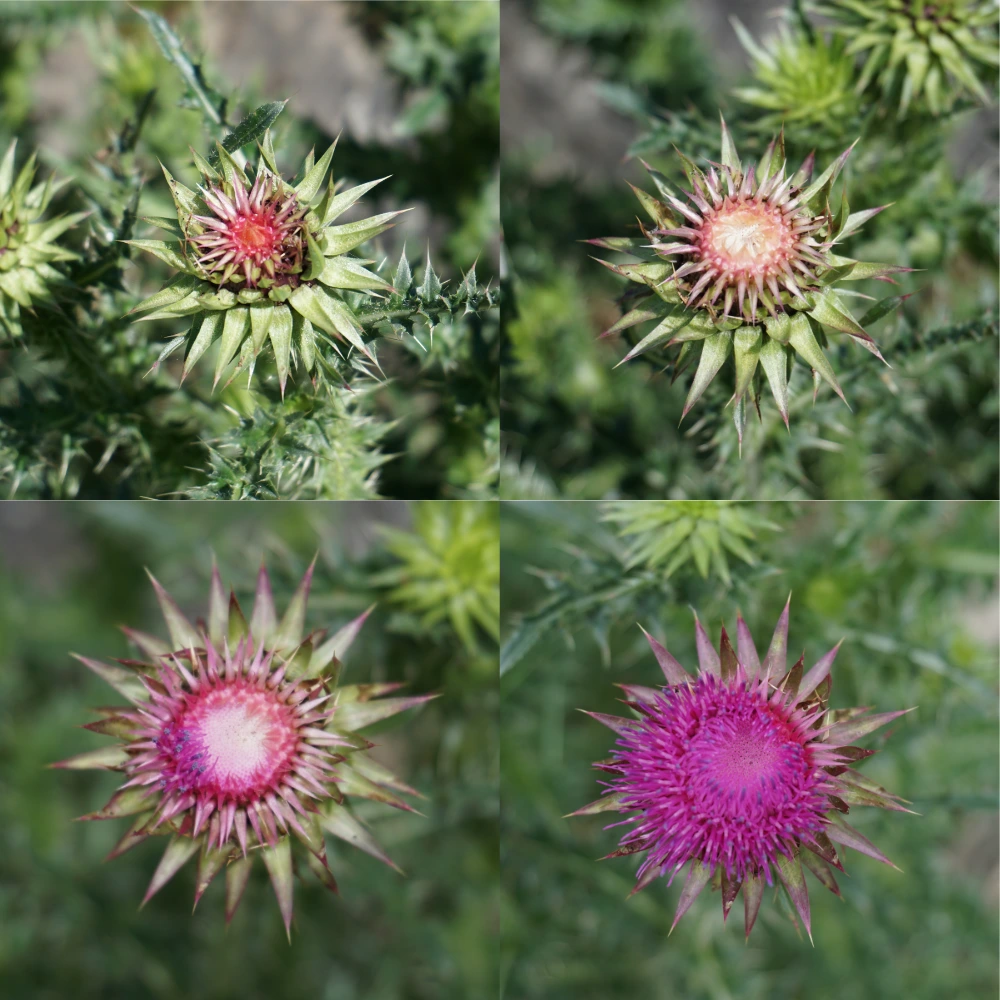
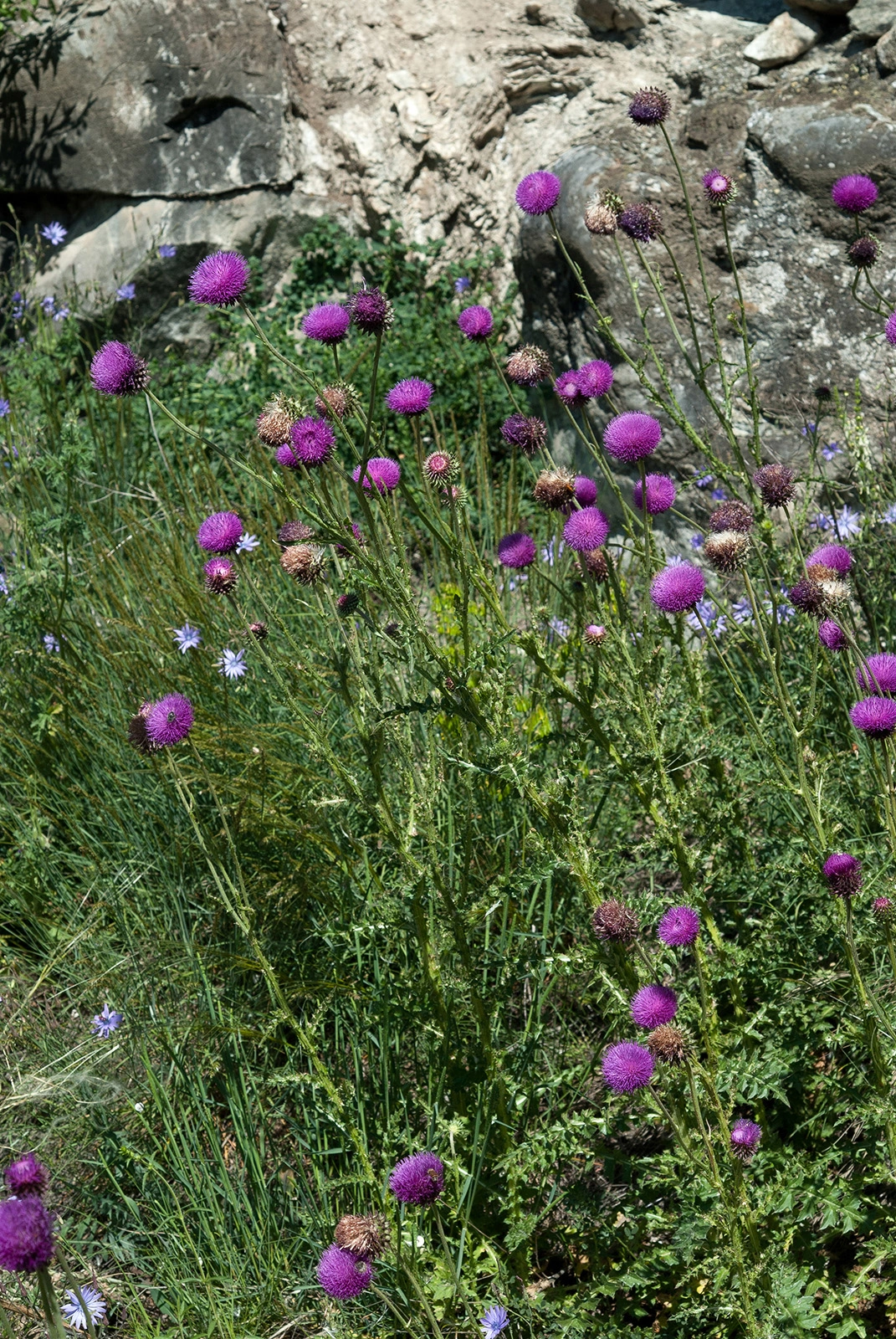
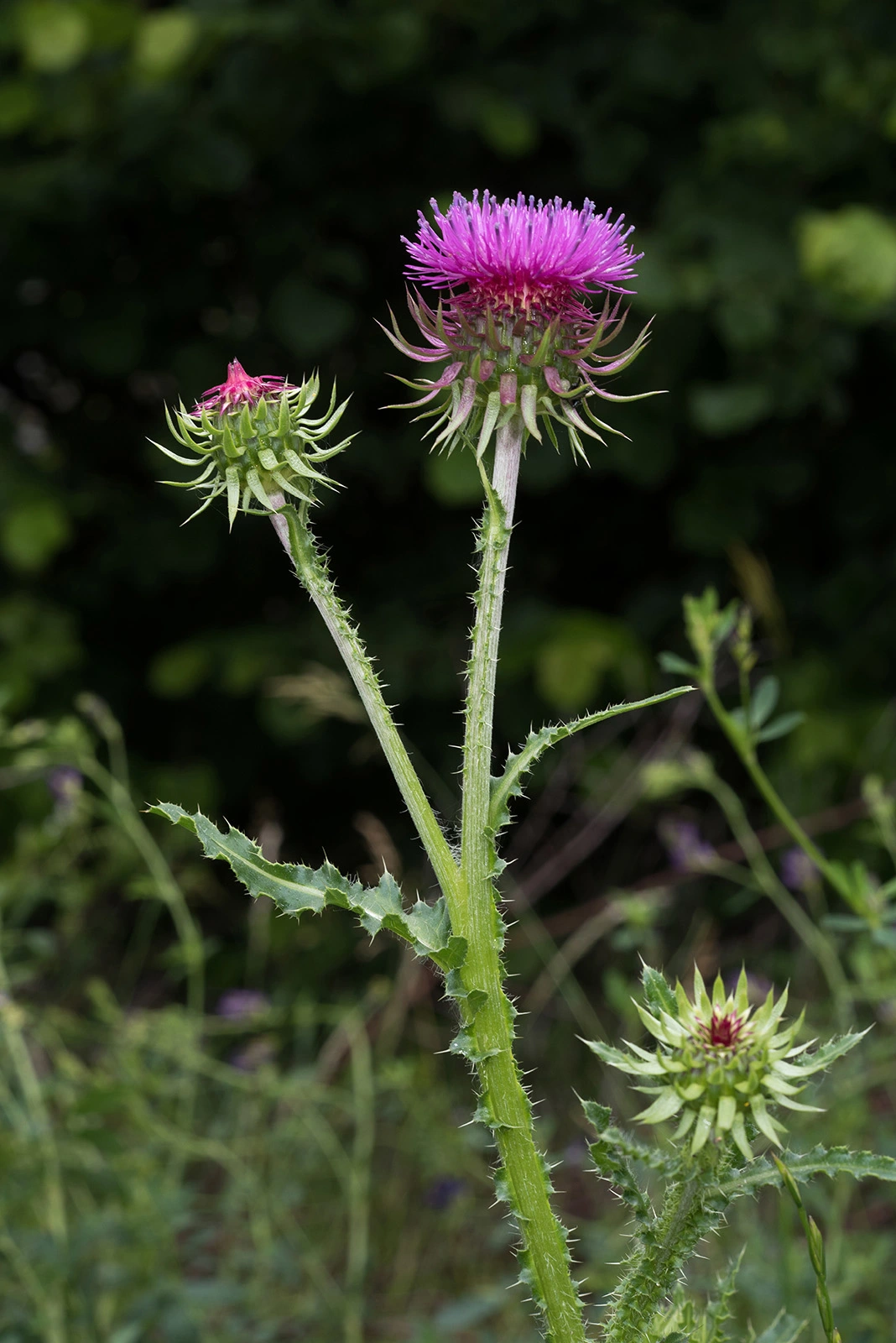
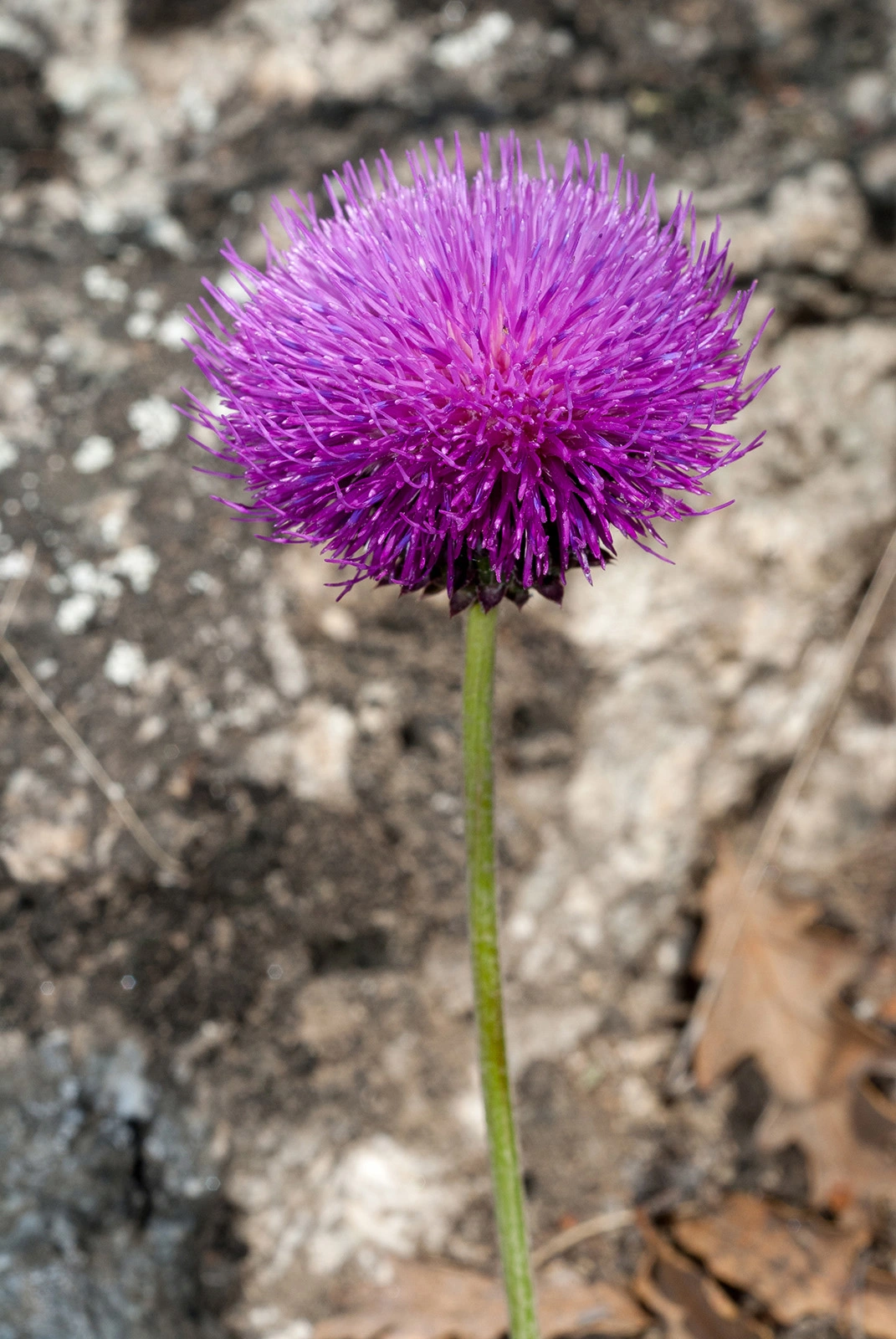
A biennial species, it is widespread from the lowlands to the subalpine zone, favouring arid habitats: meadows, pastures, fallow land or roadsides. It can be a rather imposing plant, reaching a height of up to 1 metre. It has small leaves bearing a large number of spines that are not particularly large (3 mm at most). The inflorescences, a deep purple colour, consist of flowers clustered in hemispherical flower heads 3–5 cm in diameter.
The common name of the species is ‘hanging thistle’, from Latin verb nuto (to hang, to sway), referring to its pendulous habit or the movement of its branches and flowers in the wind. Like most other thistle species, this is also a highly important nectar-producing plant.