
Oxytropis fetida
- PNGP
- Endemism
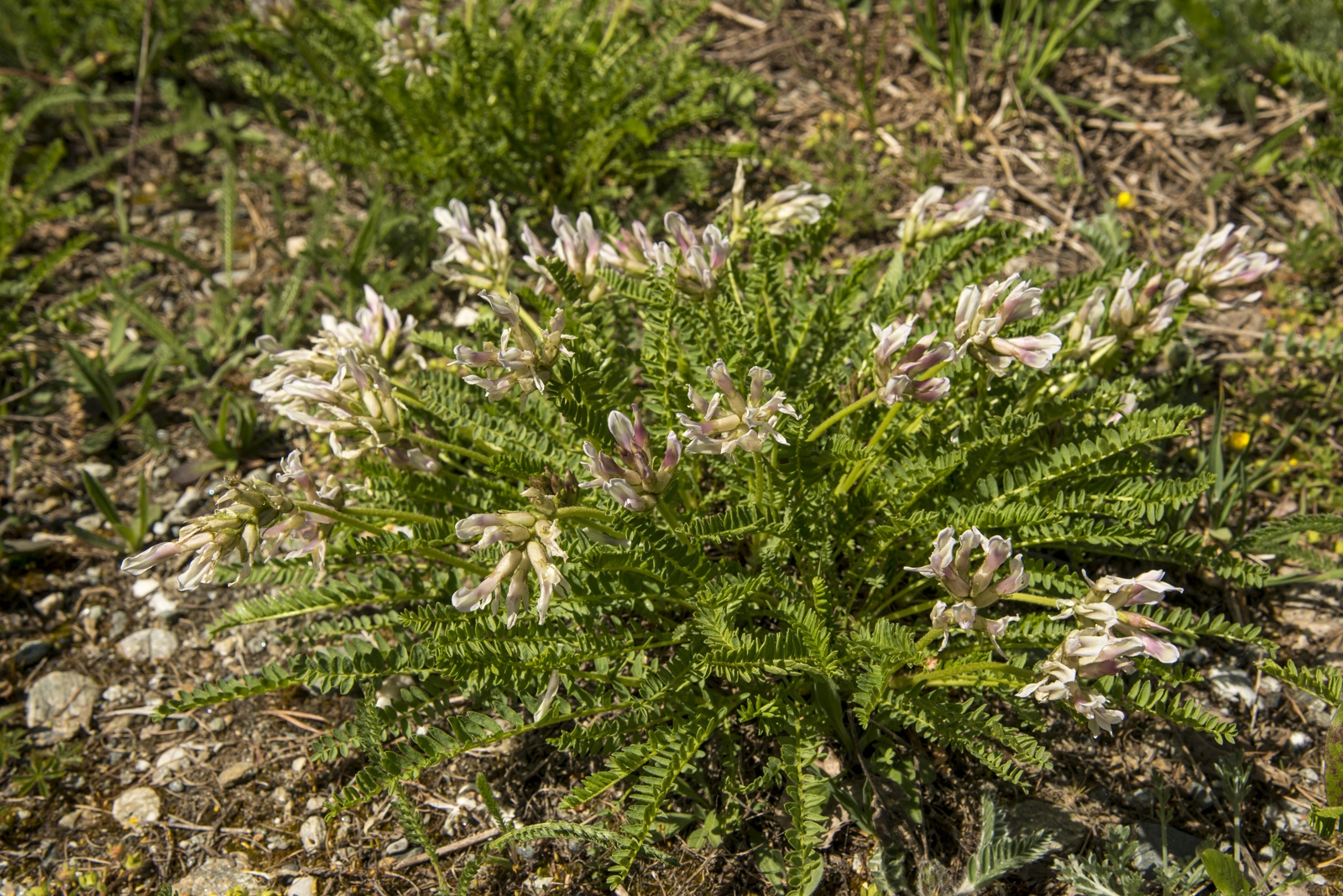
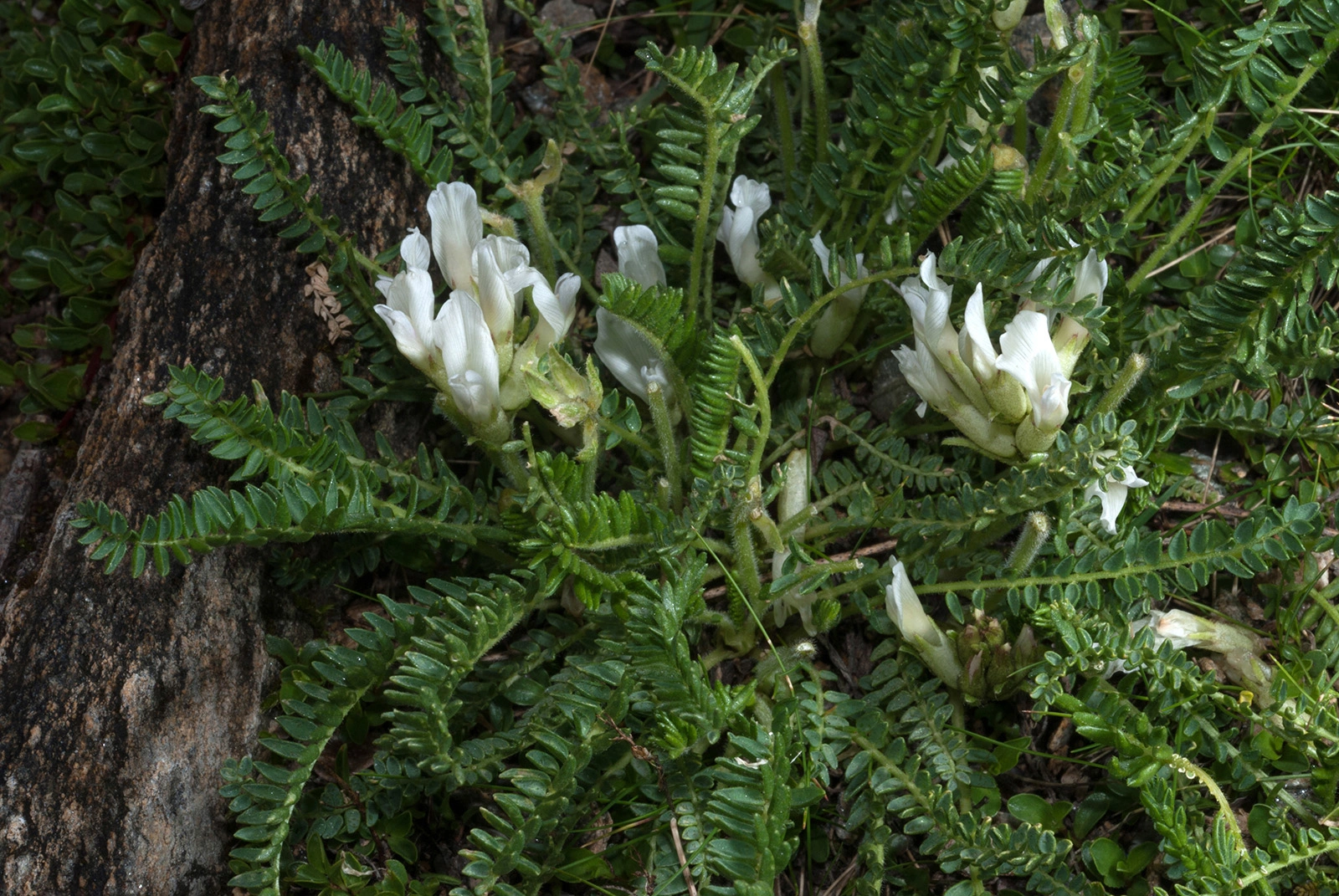
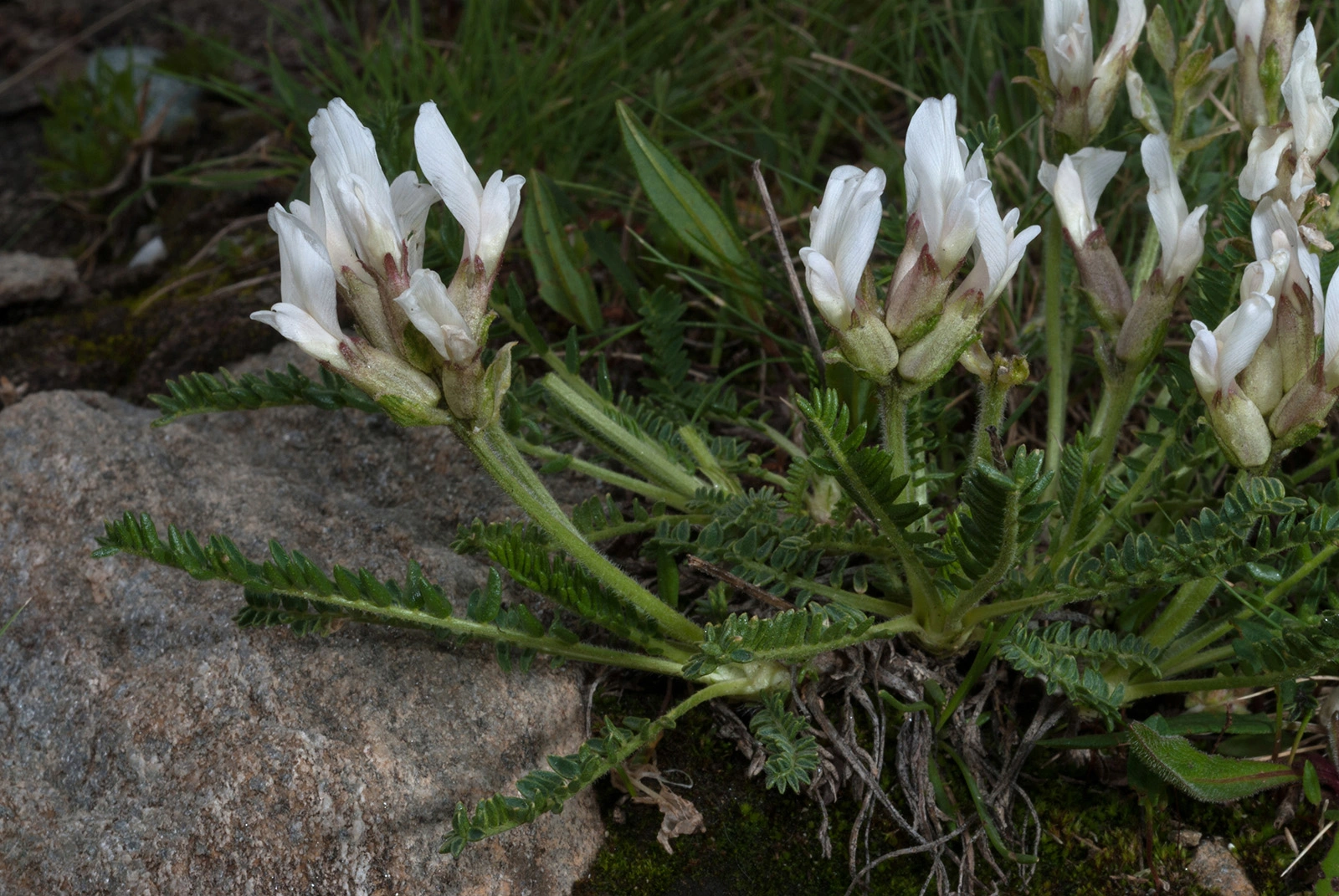
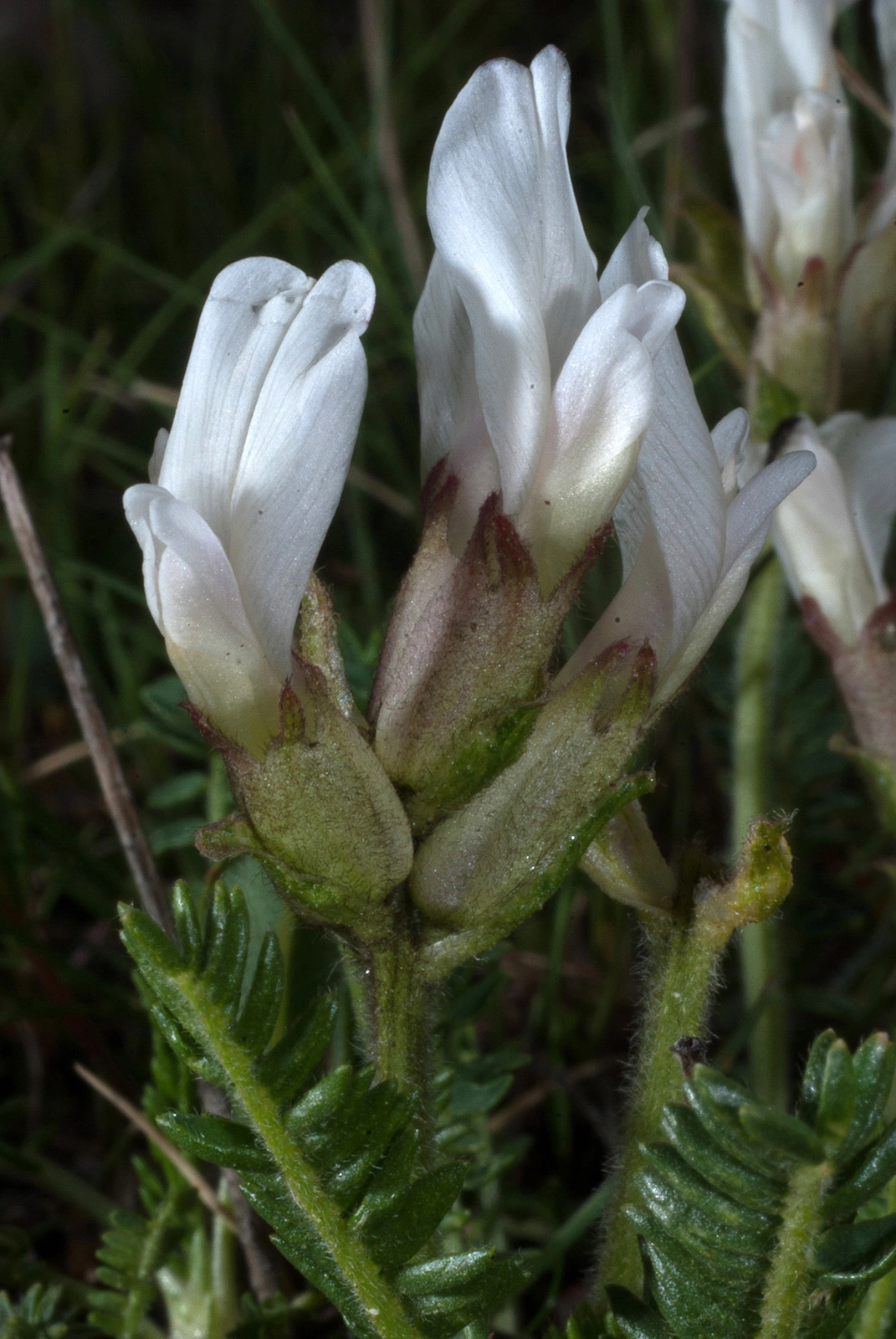
The sticky milkvetch is a species endemic to the Western Alps, found from Provence to the Swiss canton of Graubünden; in Italy, it is found exclusively in the Aosta Valley and Piedmont. There are numerous species belonging to the genus Oxytropis within the National Park, but O. fetida is easily distinguished by the whitish colour of its flowers and its intense, unpleasant odour, hence the specific epithet fetida, from latin foetidus, smelly.
This plant inhabits rocky and debris-strewn habitats and stony pastures, particularly on calcareous substrates, and is found at high altitudes, ranging from 1,800 to 3,000 metres. The leaves are tomentose, imparipinnate, with 14–25 pairs of leaflets. The whitish flowers are grouped in clusters of 3 to 7. The entire plant is covered with sessile glands, which make it sticky to the touch and give it its characteristic aroma.
Oxytropis fetida belongs to the Fabaceae family, formerly known as leguminosae, a very widespread family within our flora. Fabaceae plants generally have nectar-producing flowers, thus providing a food source for many pollinating insects, such as butterflies and bumblebees.