


Topic and research
Listen to audio
Herbariums: a record of the past to shed light on the future
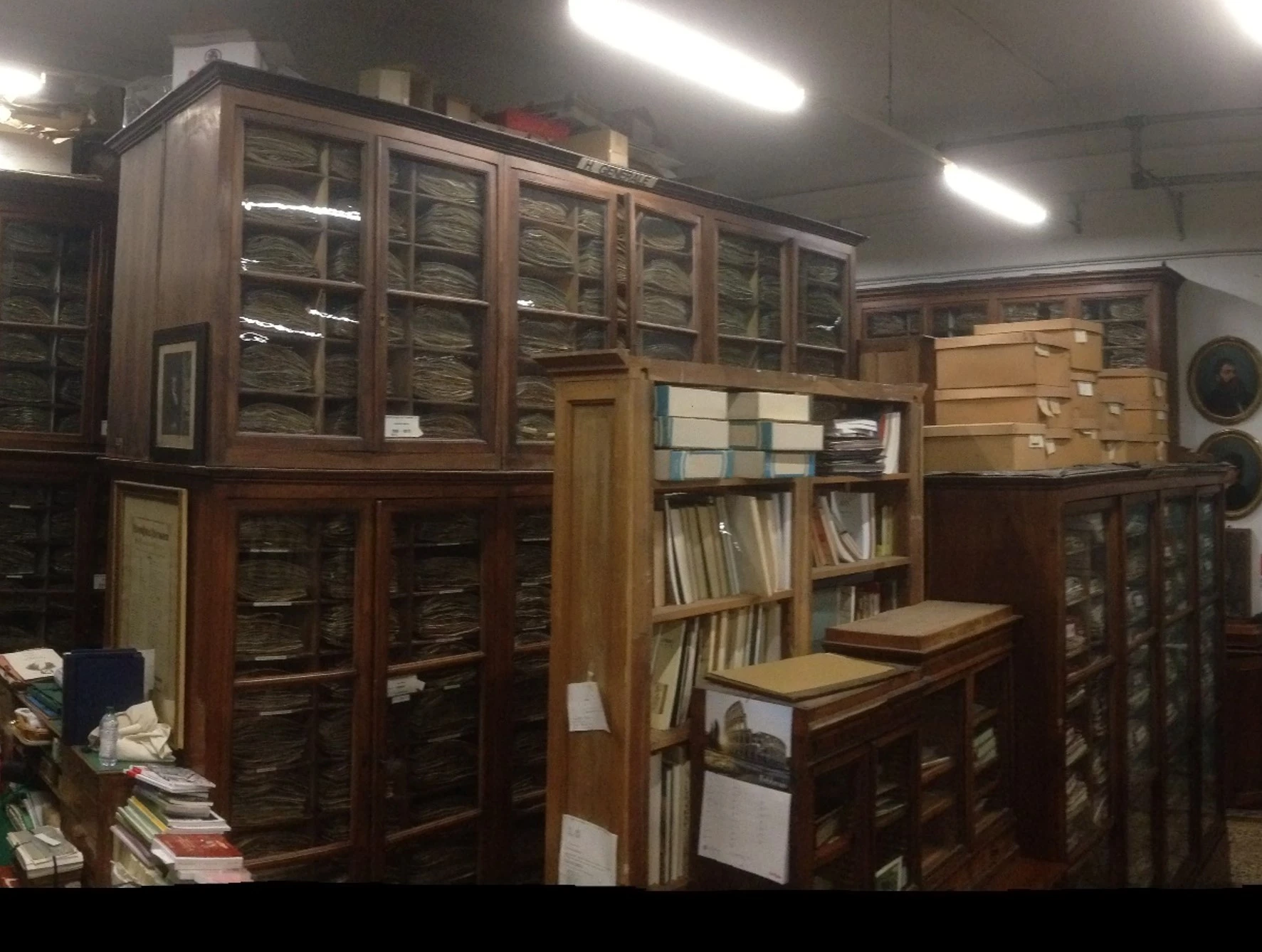
The conservation of living plants in vegetable gardens, botanical gardens and, more recently, in germplasm banks has historically been accompanied by their preservation in herbaria.
Some 400 million plant specimens collected from every corner of the globe are now housed in over 3,000 herbaria – collections of dried plants established around the mid-16th century to support botanical studies, particularly in the fields of floristics and systematics. This heritage now represents an inexhaustible documentary source of the profound changes that have affected plant biodiversity since the Industrial Revolution.
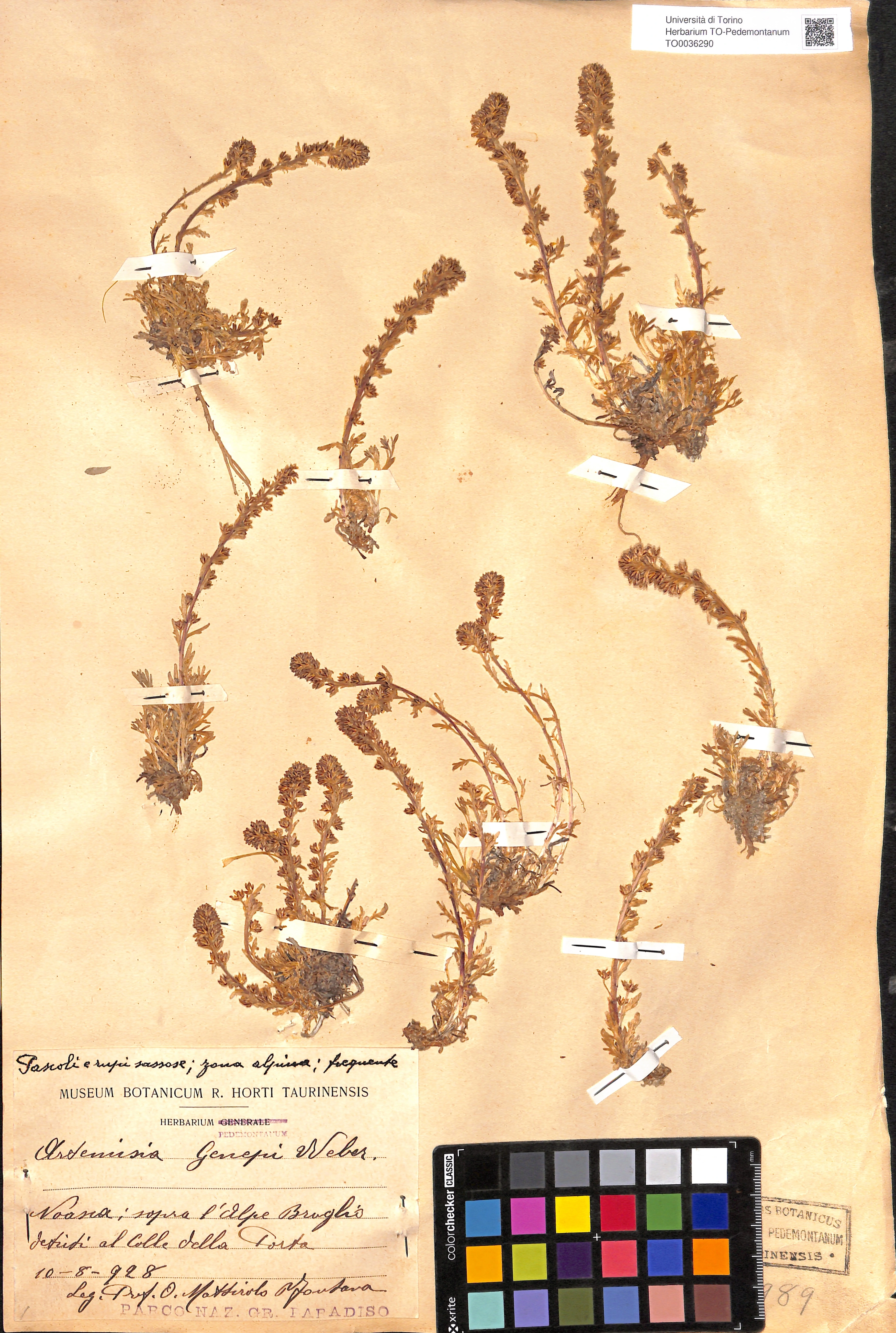
Through the morphometric comparison of specimens collected in different eras, it is possible to investigate the adaptive responses of various species to environmental pressures. The notes on the location and date of collection accompanying each specimen, recorded on a label, enable us to assess past distribution ranges and flowering and/or fruiting times, and thus to identify possible variations.
Furthermore, this information highlights the loss of species and habitats, as well as the timing and spread of invasive alien species.
Technological progress is also making it increasingly easier to extract and study DNA even from the oldest specimens, further expanding the scope of current research.
This recent resurgence of interest in herbariums has been accompanied by a growing need to make the information they contain universally accessible. For this reason, many institutions have launched projects to digitise dried specimens – that is, to capture digital images of the specimens and to digitise the data recorded on the labels – with a view to publishing them in internationally shared databases.
In this context, as part of the HERB-TO-CHANGE project (funded by the CRT Foundation), the University of Turin Herbarium began the digitisation of the Herbarium pedemontanum section in 2022; this section houses over 150,000 dried specimens from Piedmont and the Aosta Valley, including thousands of collections made since the early 1800s within the Gran Paradiso National Park.
Many other specimens collected from the early 1900s onwards are also preserved in the collections of the Aosta Valley Regional Museum of Natural Sciences, which are also accessible online via the Virtual Museum.
Taken as a whole, this heritage represents a vital record of past distribution ranges and phenology, essential for understanding the possible changes currently taking place.